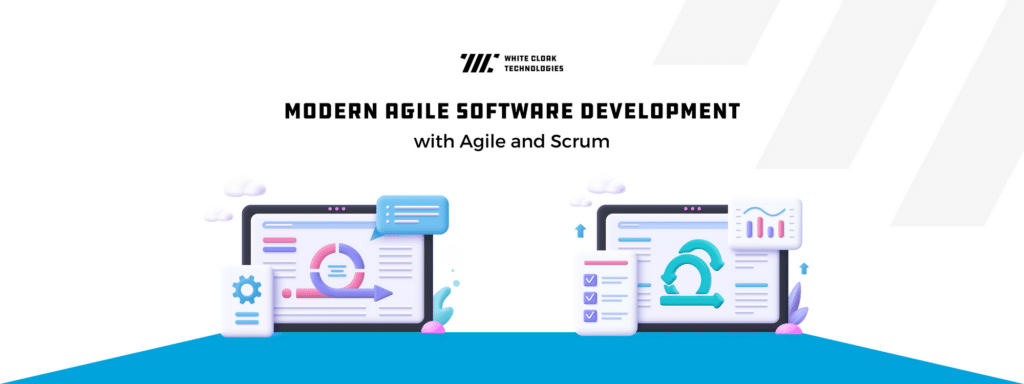
As demand for software development continues to soar, development teams must deliver high-quality software products within tight deadlines. Achieving this requires a flexible and adaptive approach—this is where Agile software development and the Scrum framework come into play.
Understanding Agile Software Development and Scrum
Agile software development is an iterative methodology that emphasizes collaboration, flexibility, and rapid adaptation to changing project requirements. Instead of building the software in one large phase, Agile breaks development into smaller, manageable pieces called iterations or sprints. This allows teams to continuously improve the product as they receive feedback from stakeholders.
Scrum is one of the most popular Agile frameworks, providing a structured approach to manage complex projects. Scrum emphasizes teamwork, communication, and incremental progress toward clearly defined goals. By using specific roles, events, and artifacts, Scrum ensures transparency, adaptability, and efficient project management.
Stages of Agile Software Development with Scrum
1. Product Backlog Creation
The product owner collaborates with stakeholders to identify and prioritize features and requirements. These items are documented in the product backlog, which serves as the foundation for the project.
2. Sprint Planning
During sprint planning, the development team, product owner, and Scrum Master select items from the product backlog to work on during a sprint, typically lasting 2–4 weeks. The team sets a sprint goal and creates a sprint backlog with the selected items.
3. Implementation
The team works on coding, integrating components, and building databases. They also conduct unit tests to ensure the code functions as intended.
4. Daily Stand-up
Teams hold daily 15-minute meetings to share progress, discuss challenges, and ensure alignment toward the sprint goal.
5. Sprint Review
At the end of each sprint, the team presents completed work to stakeholders for feedback, helping guide adjustments for the next sprint.
6. Sprint Retrospective
The team evaluates the sprint, identifies areas for improvement, and refines processes to work more efficiently in future sprints.
7. Continuous Integration and Testing
Throughout development, the team integrates and tests code regularly to ensure the software meets requirements and functions correctly.
8. Deployment and Maintenance
Software is incrementally deployed and continuously updated. Teams fix bugs, add features, and ensure the application remains functional and aligned with user needs.
Why Agile Software Development and Scrum Matter
Adopting Agile with Scrum offers numerous benefits:
- Enhanced Collaboration: Teams, project managers, and stakeholders communicate openly and work closely together.
- Adaptability: Agile allows teams to respond quickly to changing requirements or unforeseen challenges.
- Faster Delivery: Iterative development and continuous feedback shorten timelines while maintaining quality.
- Reduced Risk: Frequent testing and stakeholder input minimize delays and operational issues.
In short, Agile software development combined with the Scrum framework empowers teams to deliver high-quality software efficiently, adapt to change, and consistently meet stakeholder expectations.
How White Cloak Can Help
White Cloak offers managed software development solutions tailored to your business’s unique needs and requirements. We help transform your vision into a fully functional and scalable software solution, leveraging the power of Agile methodology and the Scrum framework.
Our Agile approach emphasizes flexibility and responsiveness, allowing us to adapt swiftly to project changes and deliver results faster. Our team of expert developers, designers, and Scrum Masters collaborate to ensure your software meets the highest standards of quality, reliability, and security. Contact us today to learn more about how White Cloak can help.